


Related Product
Shoulder Bursitis: Causes, Symptoms, Treatment, and Relief
Shoulder pain is one of the most common musculoskeletal complaints, affecting people of all ages and activity levels. What may start as a mild ache when reaching overhead can develop into persistent pain that interferes with daily activities, work, or sleep.
One frequent cause of shoulder discomfort is shoulder bursitis, which occurs when the bursae, small fluid-filled sacs that cushion your shoulder joint, become inflamed.
What Is Shoulder Bursitis?
According to Cleveland Clinic, Shoulder bursitis is bursitis that affects your shoulder joint. The medical name for it is subacromial bursitis.

Generally, the shoulder contains multiple bursae, which act as natural cushions to reduce friction between bones, tendons, and muscles. When a bursa becomes inflamed, it causes bursa shoulder pain, limiting mobility and making even simple movements uncomfortable. The most commonly affected is the subacromial bursa, located beneath the top of the shoulder blade.
Shoulder bursitis can develop in different forms.
- Acute bursitis appears suddenly, often after an injury or intense activity
- Chronic bursitis develops gradually due to repetitive stress.
- Infectious (septic): This happens when an infection somewhere else in your body spreads to your shoulder bursae.
Rarely, bursitis results from bacterial infection, which requires urgent medical attention. Pain may worsen with overhead movements, lifting, or sleeping on the affected side, making early recognition important.
Symptoms of Shoulder Bursitis
Identifying bursitis shoulder symptoms early helps prevent progression and promotes faster recovery. Typical symptoms of shoulder bursitis include:
-
Pain on the top or outer part of the shoulder: The discomfort often increases with overhead activity or lifting objects. This is the most common bursa pain shoulder complaint.
-
Tenderness and swelling: Pressing on the affected area can cause noticeable tenderness and sometimes mild swelling.
-
Limited range of motion and stiffness: The shoulder may feel tight or difficult to move, especially after rest.
-
Pain at night: Many people notice that lying on the affected side exacerbates pain, disrupting sleep.
- Sharp flares with movement: Sudden motions can trigger intense pain, particularly in acute cases.
Understanding these signs of bursitis in the shoulder allows for early intervention before the condition becomes chronic.
Causes of Shoulder Bursitis
Shoulder bursitis occurs when the bursae, small fluid-filled sacs in the shoulder, become inflamed. This inflammation can result from repeated stress, improper shoulder mechanics, injury, or underlying medical conditions. Understanding the causes helps in prevention and effective management of the condition.
Repetitive Overhead Activity
 Repetitive overhead movements, such as swimming, tennis, painting, or lifting heavy objects, place constant stress on the shoulder joint. Each time the arm moves above shoulder level, the subacromial bursa is compressed against surrounding tissues, gradually causing irritation and inflammation.
Over time, this repeated strain can lead to chronic bursitis in shoulder symptoms, particularly in athletes, manual laborers, and people whose work or hobbies involve frequent overhead activity.
Poor Posture
Poor posture, such as slouching at a desk, leaning forward for extended periods, or carrying heavy bags on one shoulder, can alter the natural alignment of the shoulder joint. Misalignment increases friction on the bursa, which can lead to persistent irritation and inflammation.

Over time, this can worsen bursa pain shoulder, reduce range of motion, and contribute to chronic stiffness and discomfort.
Injury or Trauma
Acute injuries, such as a fall, sudden twist, or awkward movement, can directly inflame the bursa. Trauma to the shoulder often triggers immediate swelling, sharp pain, and tenderness, limiting mobility.
Acute cases typically result in more intense symptoms of bursitis in shoulder compared to gradual overuse injuries, and recovery may require rest and medical management.
Underlying Medical Conditions
Certain medical conditions, including arthritis, gout, and tendonitis, can increase inflammation in the shoulder joint. These conditions make the bursae more susceptible to irritation and can slow the healing process after minor injuries.
As a result, people with these conditions may experience prolonged bursitis shoulder symptoms and recurrent flare-ups, especially with repetitive movements or strain.
Infection (Rare)
Although rare, bacterial infections can cause septic bursitis, leading to severe inflammation of the bursa. Infection-related bursa pain shoulder is usually accompanied by redness, warmth, swelling, and sometimes fever. Prompt medical attention is essential to prevent serious complications, including the spread of infection and joint damage.
How Shoulder Bursitis Is Diagnosed

Diagnosis typically begins with a physical examination. A healthcare provider assesses the shoulder for tenderness, swelling, range of motion, and pain patterns.
If needed, imaging may be ordered:
- X-rays: Check for bone spurs, arthritis, or other structural issues
- Ultrasound or MRI: Visualize soft tissue, including the bursae and tendons (Healthline)
- Blood tests or fluid sampling: If infection is suspected
These tests help distinguish symptoms of bursitis in shoulder from rotator cuff injuries, tendonitis, or arthritis. Early and accurate diagnosis ensures proper treatment.
Treatment for Shoulder Bursitis
Most shoulder bursitis cases improve without surgery. The primary goals of treatment are to reduce pain, control inflammation, and restore mobility.
Conservative Care
-
Rest and activity modification: Avoid activities that exacerbate pain or strain the shoulder
-
Ice therapy: Applying ice for 10–15 minutes several times a day helps reduce inflammation
-
Over-the-counter medications: Ibuprofen or naproxen can alleviate pain and swelling.
-
Physical therapy: Targeted exercises strengthen shoulder muscles, improve posture, and restore mobility
Medical Interventions
-
Corticosteroid injections: Provide rapid relief of inflammation but frequency is limited to protect tendons.
-
Prescription medications: Used for severe pain or persistent inflammation.
- Surgery: Rarely necessary and only considered after months of unsuccessful conservative management.
Exercises and Shoulder Mobility
Once pain begins to subside, gentle exercises can help restore mobility and prevent future flare-ups:
-
Shoulder blade squeezes: Strengthen stabilizing muscles and reduce strain on the bursa
-
Pendulum arm swings: Maintain range of motion without overloading the joint
-
Light stretching: Helps relieve stiffness and improve flexibility
All movements should remain pain-free, as pushing through discomfort can worsen bursitis shoulder symptoms.
Sleep and Shoulder Pain
Nighttime pain is a major complaint for those with shoulder bursitis. Sleeping on the affected side can compress the bursa, intensifying discomfort and disrupting rest. Proper support and positioning are essential for recovery.
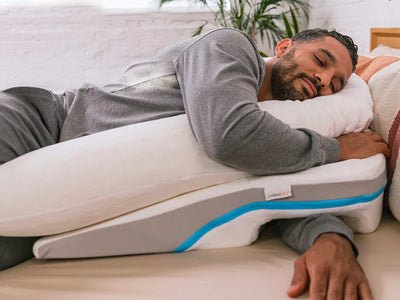
MedCline Shoulder Relief System

The MedCline Shoulder Relief Pillow is designed to reduce nighttime pressure and promote healing.
-
Reduces shoulder pressure overnight: Elevates the upper body slightly to take weight off the affected shoulder
-
Patented arm pocket: Provides support and prevents compression of the arm
-
Side-sleeping support: Adjustable positioning allows comfort on either side
-
Medical-grade foam: Maintains stability and support throughout the night
Consistent use can decrease bursitis in shoulder symptoms, improve sleep quality, and enhance overall recovery.
When to See a Doctor
Seek medical care if you experience:
- Severe or worsening pain that does not improve with rest
- Redness, warmth, or swelling around the shoulder
- Fever or other signs of infection
- Sudden loss of shoulder mobility
Prompt evaluation ensures proper treatment and prevents complications, especially in rare cases of infection or injury.
Final Thoughts
Shoulder bursitis is a common condition that can disrupt daily life, but most people recover fully with proper care. Early recognition of bursitis shoulder symptoms, rest, physical therapy, posture improvement, and supportive tools like the MedCline Shoulder Relief System can prevent chronic pain and restore comfort. Paying attention to underlying causes and taking steps to reduce strain on the bursa are key to long-term shoulder health.
=========================================================
Frequently Asked Questions (FAQs)
1. What is shoulder bursitis?
Shoulder bursitis is inflammation of the bursae, the small fluid-filled sacs that cushion your shoulder joint. When inflamed, these sacs cause pain, swelling, and stiffness, especially during overhead movements or when lying on the affected side.
2. What are the common symptoms of shoulder bursitis?
Common bursitis shoulder symptoms include pain on the top or outer shoulder, tenderness, swelling, stiffness, limited range of motion, and nighttime discomfort. Pain may flare up suddenly with specific movements, especially overhead or lifting motions.
3. What causes bursitis in the shoulder?
Causes range from repetitive overhead activity like swimming or lifting, poor posture, injury or trauma, underlying medical conditions such as arthritis, and, rarely, infection. Chronic stress or misalignment can aggravate the bursae, leading to persistent pain.
4. How is shoulder bursitis diagnosed?
A doctor usually begins with a physical exam to check for tenderness, swelling, and range of motion. Imaging tests like X-rays, MRI, or ultrasound may be used to visualize the bursae, while blood tests or fluid sampling help rule out infection.
5. What treatments are available for shoulder bursitis?
Treatment depends on severity. Most people respond to rest, ice therapy, over-the-counter pain medications, and physical therapy. Severe cases may require corticosteroid injections or, rarely, surgery. Gentle exercises help restore mobility without worsening symptoms.
6. Can shoulder bursitis go away on its own?
Mild bursitis may improve with rest and activity modification, but without addressing underlying causes, such as posture or repetitive movements, symptoms can return. Consistent care and preventive measures are key to long-term relief.
7. How can I sleep comfortably with shoulder bursitis?
Nighttime pain is common because pressure on the inflamed bursa increases while lying on your side. Using supportive pillows or a specialized system like the MedCline Shoulder Relief System can help maintain proper positioning, reduce pressure, and improve sleep quality.
8. What is the MedCline Shoulder Relief System?
The MedCline Shoulder Relief System is a patented pillow and wedge system designed to reduce pressure on the affected shoulder while sleeping. Its arm pocket, adjustable wedge, and medical-grade foam support help minimize bursitis in shoulder symptoms and promote better nighttime rest.
9. Who can benefit from the MedCline Shoulder Relief System?
Anyone experiencing nighttime shoulder pain due to bursitis, rotator cuff injuries, or general shoulder inflammation may benefit. It’s particularly useful for people who sleep on their side and find traditional pillows uncomfortable or ineffective.
10. How long does it take to see improvement with MedCline or other therapies?
Recovery depends on severity. With proper care, rest, physical therapy, and support like MedCline, many people notice reduced pain within a few weeks. Chronic or severe cases may take longer and require additional medical interventions.
